
Animal Nuisance
Repurposing community facilities in Zhenghua to solve municipal issues
12 December 2020
A grassroots-led project in Zhenghua Ward repurposed under-used spaces into a Pets’ Park and multi-purpose court, reducing hygiene and noise issues while strengthening community bonds and responsible pet ownership.
📌 About the project
Zhenghua Ward, Holland-Bukit Panjang GRC (2020).
Led by the Zhenghua-Segar Residents’ Committee (RC), in partnership with the People’s Association (PA), Housing and Development Board (HDB), and Holland-Bukit Panjang Town Council (HBPTC), with support from the HDB’s Lively Places Fund.
Grassroots leaders worked closely with HDB and PA to repurpose under-utilised areas in the vicinity into a Pets’ Park and a multi-purpose court, better serving residents’ needs.
🏘️ The issues
In 2020, recurrent feedback from Zhenghua residents highlighted hygiene and noise disturbances caused by dogs in the neighbourhood.
Irresponsible dog owners left pet droppings on grass patches and walkways.
There were also safety and noise concerns arising from children playing at void decks near a childcare centre.
💡 What we did
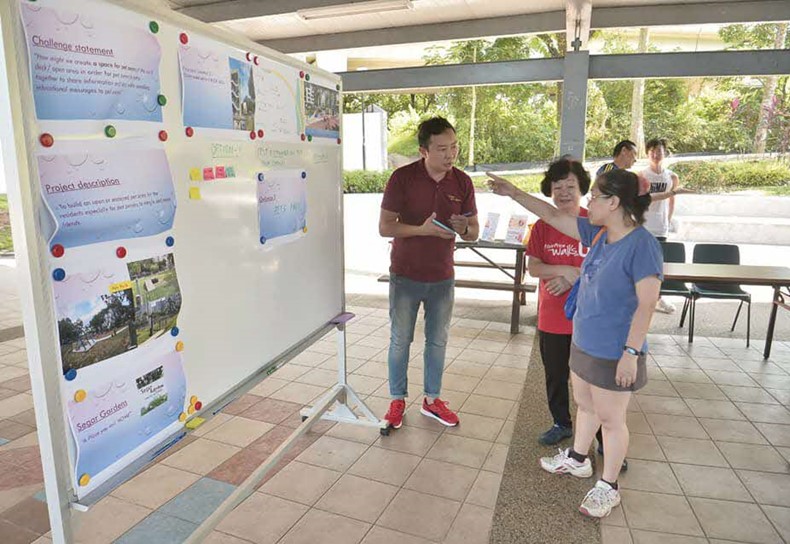
Organised a poster design competition to engage residents and promote responsible pet ownership, such as cleaning up after pets. Selected resident-designed posters were displayed in the Pets’ Park with the Town Council’s support.
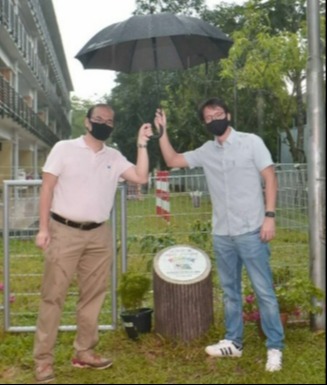
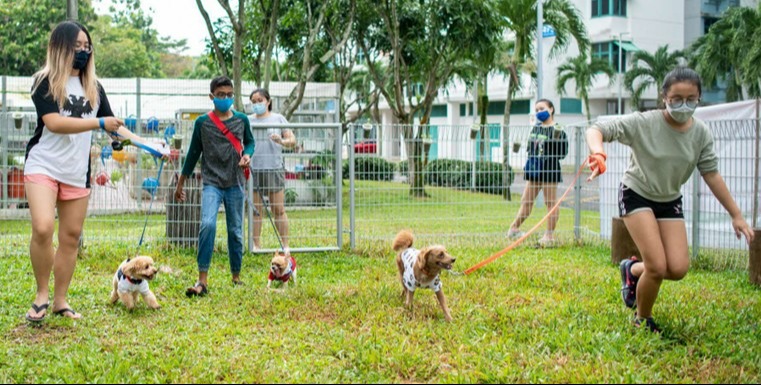
Incorporated residents’ feedback to repurpose an under-utilised badminton court into a multi-purpose court and converted an empty plot behind a multi-storey carpark into a dedicated Pets’ Park with obstacles and play areas.
The Pets’ Park provided a designated exercise area for pets and confined pet waste to a specific space, where pet owners are more accountable. This helped reduce pet droppings in common walkways.
🔍 What we learnt
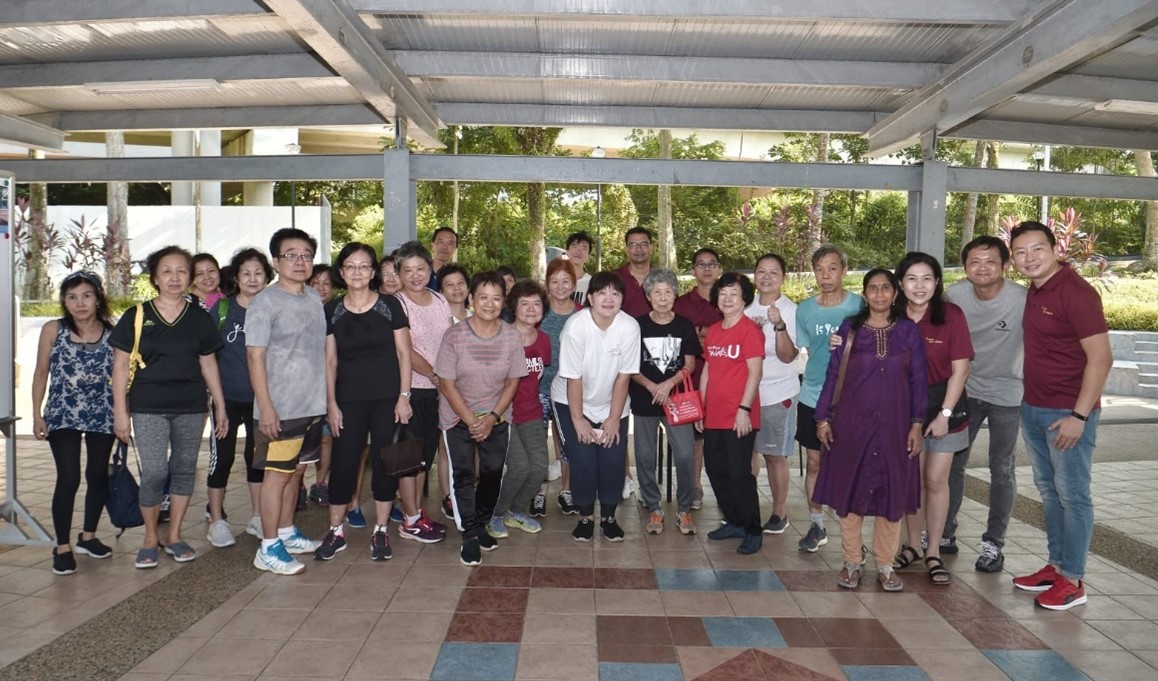
Collaboration between agencies and community volunteers was key to overcoming challenges. For example, the project team worked closely with the Town Council on the construction and maintenance of the Pets’ Park.
Establishing a Pets’ Interest Group on WhatsApp and organising regular events for residents and pet owners helped to sustain engagement, strengthen community bonds, and foster a more cohesive and responsible neighbourhood.
Dedicated pet facilities effectively redirected pet activities away from common areas that are less suitable.
⚙️ Key considerations
Ground observations and resident feedback were essential to identify suitable repurposing sites and improve facility acceptance and usage.
The design process required incorporating diverse preferences and residents’ concerns related to noise, smell, and safety.
📈 Impact
Created a gathering space for pet lovers while addressing hygiene concerns and resolving the issue of pet droppings, such as those at void decks.
Reduced noise disturbances by redirecting youth from void decks to a proper court for ball games such as futsal.
Transformed under-utilised spaces into active community spaces serving diverse residents’ needs and enhancing the living environment.